
You shouldn’t need a PhD to understand science
Everyone needs to understand science, but science communication is often dense and highly specialised. The ISO’s answer is a plain language standard for science writing.
Read More
Think about your reader before adding an acronym
Acronyms. One of the most loved and hated features of business writing. Writers love them, readers not so much, but why? And do they have a place in clear communication?
Read More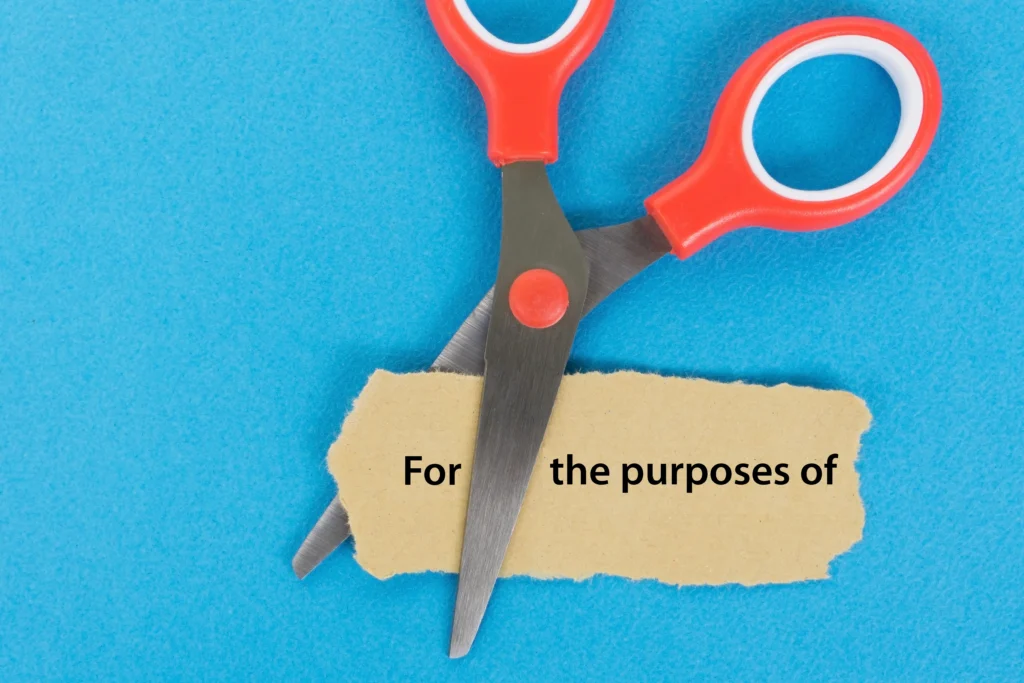
We like short words and we cannot lie
Short words benefit all readers (and writers). We love them because they are easier to read, liven up your writing, save time and reduce ambiguity.
Read More
The small but mighty pronoun
Want to boost trust, engage readers and save time? One tiny word can make all the difference: a pronoun.
Read More
What does Victoria’s new policy mean for HR and L&D teams?
With the Victorian overnment’s accessible communication policy in place, HR and L&D teams are moving from awareness to implementation.
Read More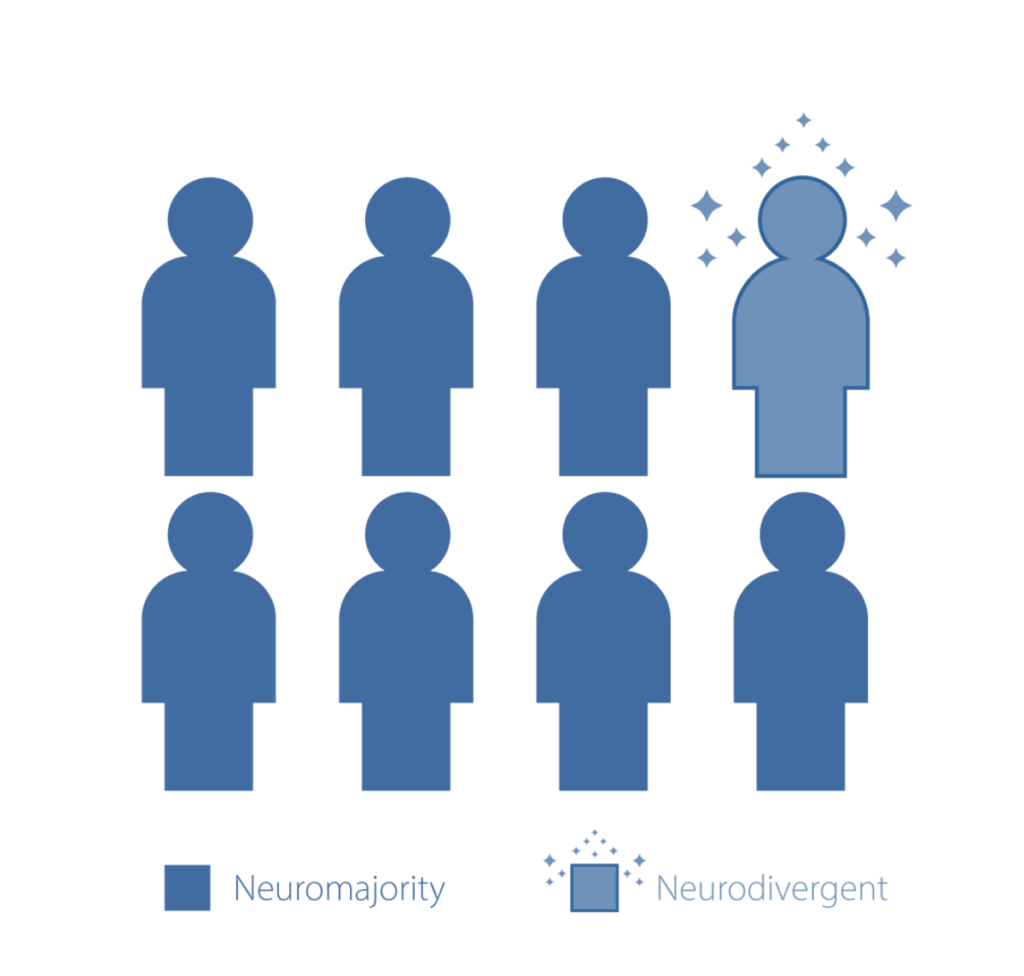
Write for every brain: our latest ebook
Want practical, plain-language techniques for reducing cognitive load and removing barriers to understanding? Want clearer communication that works for more people? Check out our latest ebook.
Read More
The 5 (plain) love languages
It’s the season for love. And we love plain language. Because nothing says you care like an email that gets to the point.
Read More
Victoria mandates plain language: What now?
The Victorian government has taken a major step towards clearer, fairer and more accessible public communication with its new policy. What does this mean for you?
Read More
ISO-aligned design advice for your documents
Ever been stumped by a reviewer’s feedback on your document design or uncertain how to explain what you want to the person designing your annual report?
Read More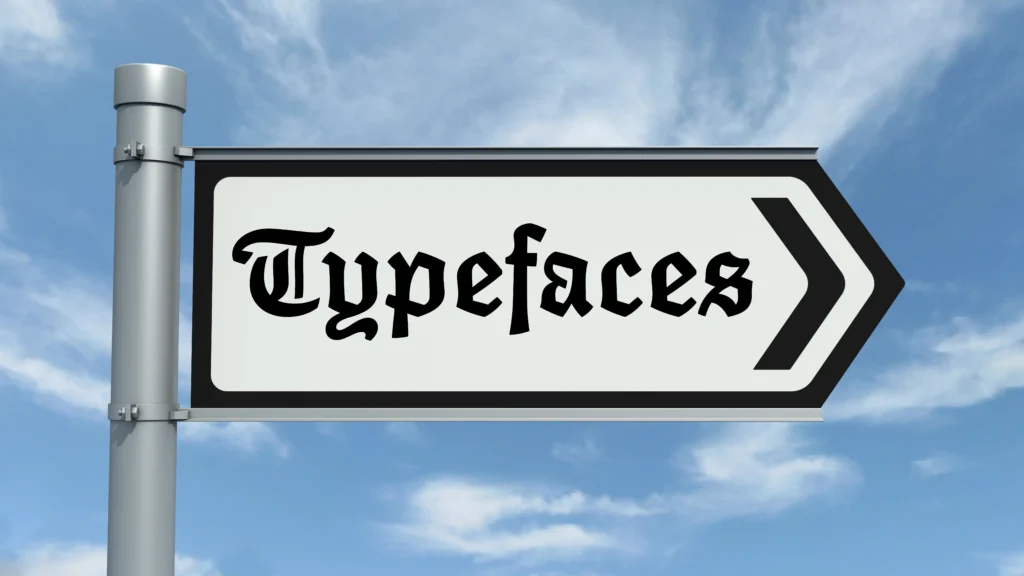
Tattoos, road signs and typefaces
A tattoo is one of the most permanent messages you can send, so why are so many of them illegible? And what does this have to do with work?
Read More