Mastering the art of self-editing is the key to becoming a more efficient writer. In this blog, we share 6 sure-fire tips to help you self-edit your writing with confidence and panache!
- Call 1300 691 885
Plain English training, editing and AI services since 2003
Training
More than 20 courses for government and corporate teams, run in person or online on the documents your people already write.
All training→ Next upMasterclass in ReviewingFor managers who sign off other people’s writing→
AI at work
Set the rules, lift the quality of what AI drafts, and build the judgement to tell a good draft from a plausible one.
All AI services→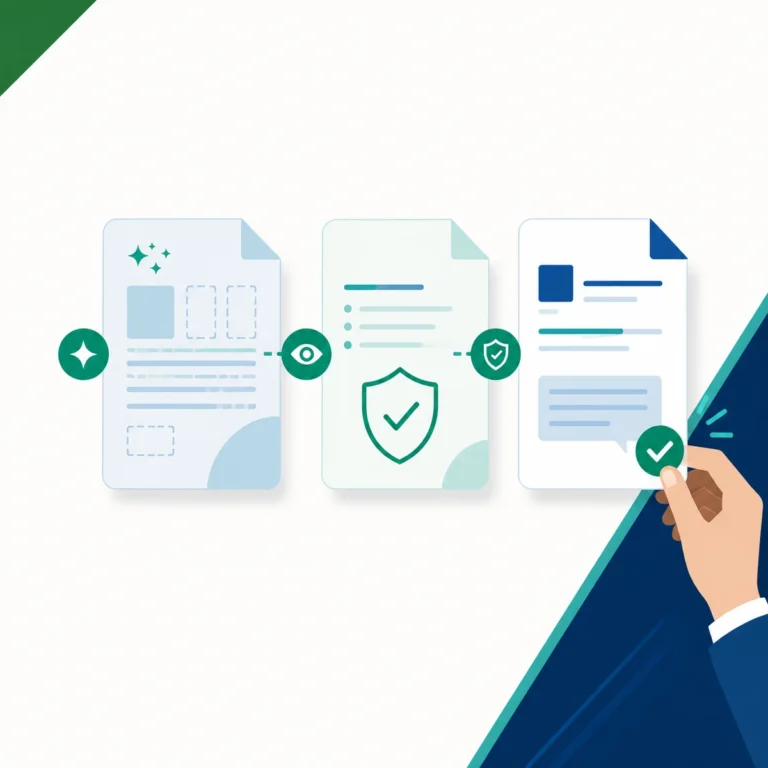 GovernancePolicy, review, trainingMost organisations end up doing all three→
Resources
Tools, guidance and events that help your teams hold the line on clarity when we are not in the room.
All resources→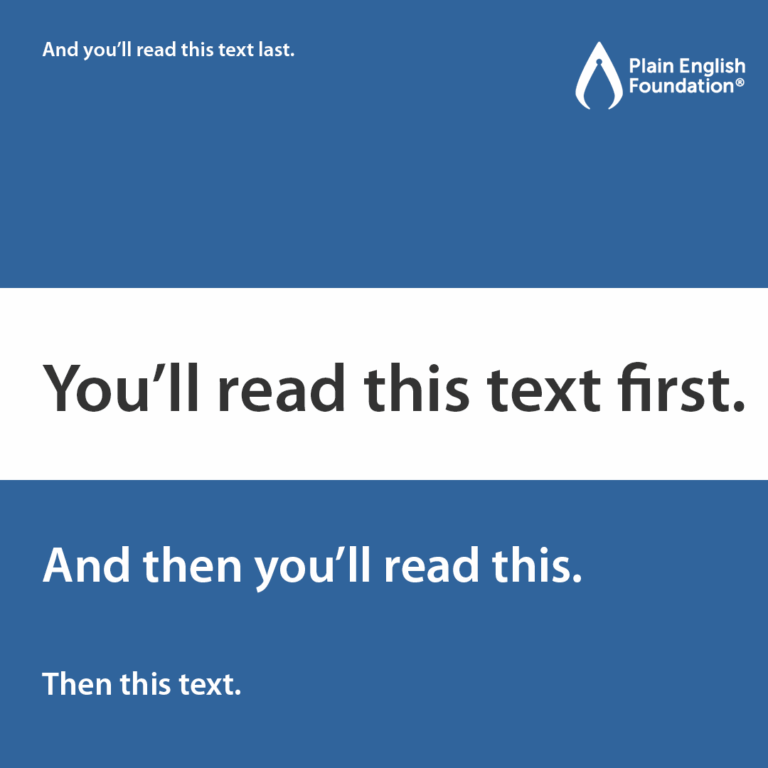 Free toolVisual hierarchyWhat your reader sees first, and why it matters→
About us
A specialist team of editors and trainers, on six government procurement panels, working across government, finance, health and energy.
About the foundation→ Our workSee the before and afterReal documents, measured against real readers→
Mastering the art of self-editing is the key to becoming a more efficient writer. In this blog, we share 6 sure-fire tips to help you self-edit your writing with confidence and panache!

We unpack the grammar behind vigorous verbs - the powerhouses of plain language. And we also take a couple of detours to explain why no-one else talks like Yoda and why vigorous verbs really took off after the Vikings invaded England.

The forgetting curve is often considered a curse by L&D professionals. But it can also be a force for good. Find out how you can take advantage of the early memory dips that happen after training and embed new learning into your organisation.

If we asked professionals to name 3 skills central to critical thinking, we’d guess writing in plain language might not be the first that comes to mind. But dig deeper into the best ways to develop good critical thinking, and clear parallels soon emerge.
Apostrophes are tricky, but did you know that mastering them can boost your career and improve your love life? Let us show you how.

If you had the chance to enrol in a plain language workshop to improve your reviewing efficiency, would you take it? In this article, we take a look at how training can change your life!

Love them or loathe them, emojis are part of how many people communicate. But what happens when they appear in professional contexts?

Want your workplace writing to be plain sailing? Be part of the plain language movement and join forces with practitioners around the world to magically transform your writing into texts that are more precise, more persuasive and more successful.

Workplace writing cannot succeed with a one-size-fits-all approach. Yet most of us enter the workforce having learned exactly that: the essay. Why do we use this approach and how does it limit successful communication?

We worked with the NSW Education Standards Authority to transform their school registration and accreditation manuals. We created new streamlined documents that are 25% shorter, simple to navigate, and written in clear, precise terms that are easy to read.

Workplace writing cannot succeed with a one-size-fits-all approach. Yet most of us enter the workforce having learned exactly that: the essay. Why do we use this approach and how does it limit successful communication?

Find the benefits of attending one of our Sydney writing courses. Our workshops help you meet an international standard for communication.