Clear communication may seem obvious for good business. But many organisations still bury key details under context, leave out helpful headings or hide behind the passive voice.
- Call 1300 691 885
Plain English training, editing and AI services since 2003
Training
More than 20 courses for government and corporate teams, run in person or online on the documents your people already write.
All training→ Next upMasterclass in ReviewingFor managers who sign off other people’s writing→
AI at work
Set the rules, lift the quality of what AI drafts, and build the judgement to tell a good draft from a plausible one.
All AI services→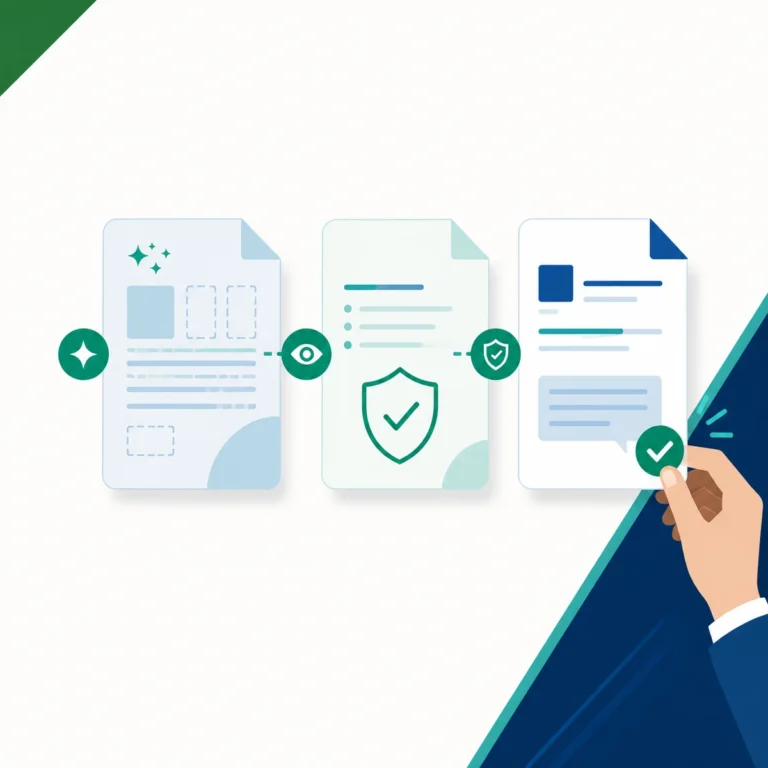 GovernancePolicy, review, trainingMost organisations end up doing all three→
Resources
Tools, guidance and events that help your teams hold the line on clarity when we are not in the room.
All resources→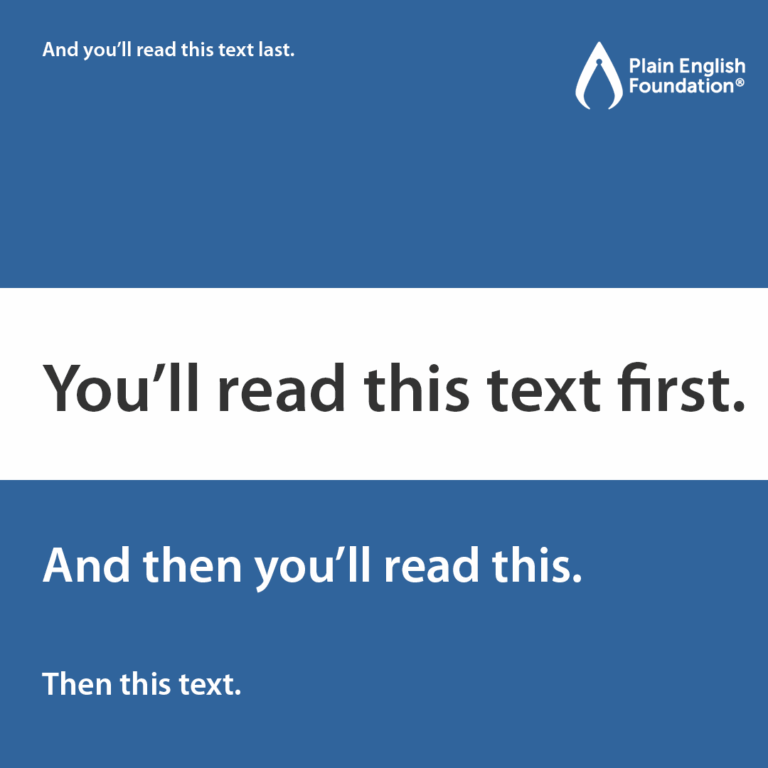 Free toolVisual hierarchyWhat your reader sees first, and why it matters→
About us
A specialist team of editors and trainers, on six government procurement panels, working across government, finance, health and energy.
About the foundation→ Our workSee the before and afterReal documents, measured against real readers→
Clear communication may seem obvious for good business. But many organisations still bury key details under context, leave out helpful headings or hide behind the passive voice.
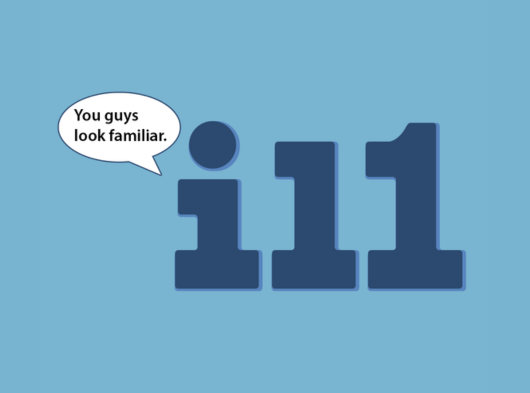
A legible typeface in your documents and on your website makes it easier for readers with low vision or dyslexia to read your writing. You can start with common, easy-to-read typefaces, such as Calibri, Verdana or Tahoma.

Across Australia, organisations are moving quickly to adopt generative AI tools like Copilot and ChatGPT. The promise is clear: faster writing, greater productivity and less time spent on repetitive tasks.

Everyone needs to understand science, but science communication is often dense and highly specialised. The ISO’s answer is a plain language standard for science writing.

Acronyms. One of the most loved and hated features of business writing. Writers love them, readers not so much, but why? And do they have a place in clear communication?

Short words benefit all readers (and writers). We love them because they are easier to read, liven up your writing, save time and reduce ambiguity.

With the Victorian overnment’s accessible communication policy in place, HR and L&D teams are moving from awareness to implementation.

Want practical, plain-language techniques for reducing cognitive load and removing barriers to understanding? Want clearer communication that works for more people? Check out our latest ebook.
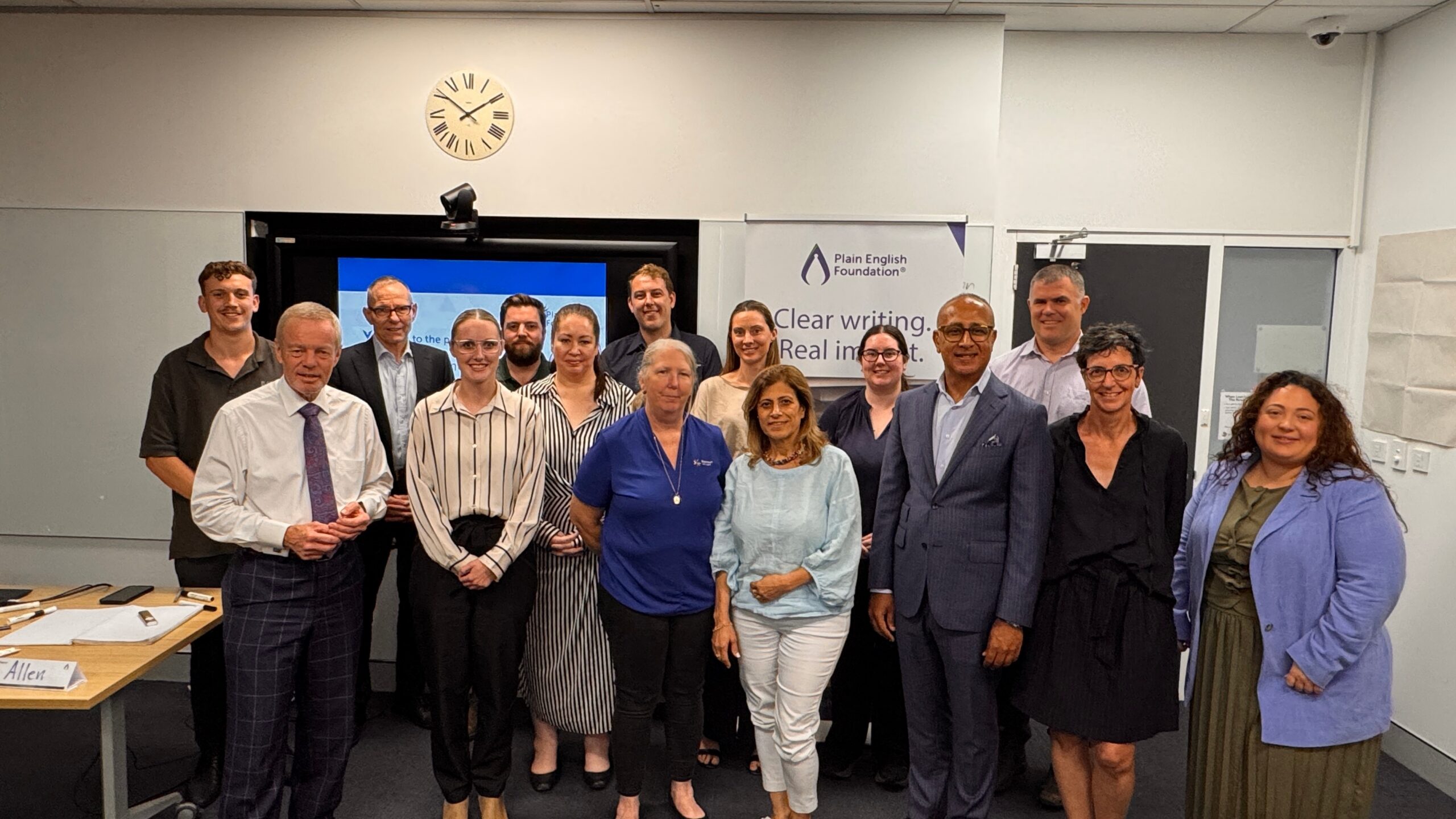
As councils across Australia respond to population growth, rising service demand and increasing complexity, Blacktown City Council shows how clear communication is critical to inclusion, operational efficiency and community engagement.

It’s the season for love. And we love plain language. Because nothing says you care like an email that gets to the point.

The Victorian government has taken a major step towards clearer, fairer and more accessible public communication with its new policy. What does this mean for you?
Ever been stumped by a reviewer’s feedback on your document design or uncertain how to explain what you want to the person designing your annual report?