Ampersands: popular, persuasive, problematic
By Emily Halloran | 2-minute read
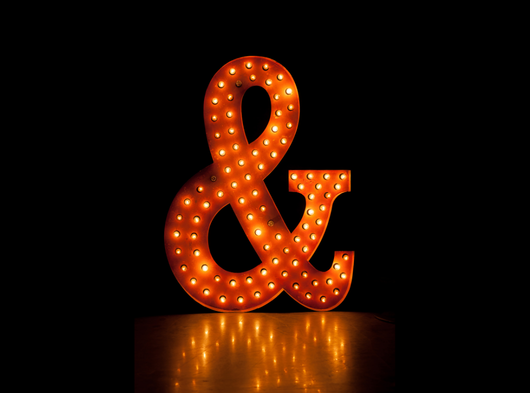
Ampersands present challenges for most people, from time-poor or stressed readers to neurodivergent or multilingual ones. This small symbol pulls focus and slows reading. Accessibility experts recommend avoiding them unless you need them for brand names, references or tables with limited space.
What: You’re likely familiar with the Latin symbol for ‘and’: &. You’ve seen it in emails from the L&D team, ads approved by Meat & Livestock Australia and at your local Best&Less. So what’s the problem with this popular symbol?
Who: For all readers, its height means it ‘can stand out too much, disrupting the flow of the eye across the page’.
More specifically, Content Design London suggest that for readers with cognitive impairments, decoding a symbol takes more mental effort than decoding a word. If this sounds familiar to you, it’s because we have already covered strategies for reducing the strain we put on neurodivergent readers in Write for Every Brain.
Who else: As ever, our time-poor or stressed readers benefit from having things spelled out for them. The less mental effort they have to use to decode your writing, the more energy they have left to understand and act on your message.
And if you write for people less fluent in English, using ‘and’ instead of an ampersand helps because they’re likely to be more familiar with the word than the symbol. You’ll save their time and reduce their chances of making a mistake.
What now: Screen readers have come a long way and now most seem capable of reading ampersands correctly. But accessibility experts recommend only using special characters, such as ampersands, when there’s a clear need for them. So what does that look like?
Our free Australian Style Guide™ covers 3 exceptions:
- in an official name or title (for example, Raine & Horne, R&D team)
- in sources with multiple authors if your referencing style asks for ampersands (for example, S Winters & R Edwards)
- in tables and graphics if you have limited space.
Want to make your writing more accessible? Take small steps toward clearer communication with the free resources on our website or ask us about our workshops, presentations, templates and writing guides.