Frankenwords: we’re all mad scientists of language
By Emily Halloran | 2-minute read
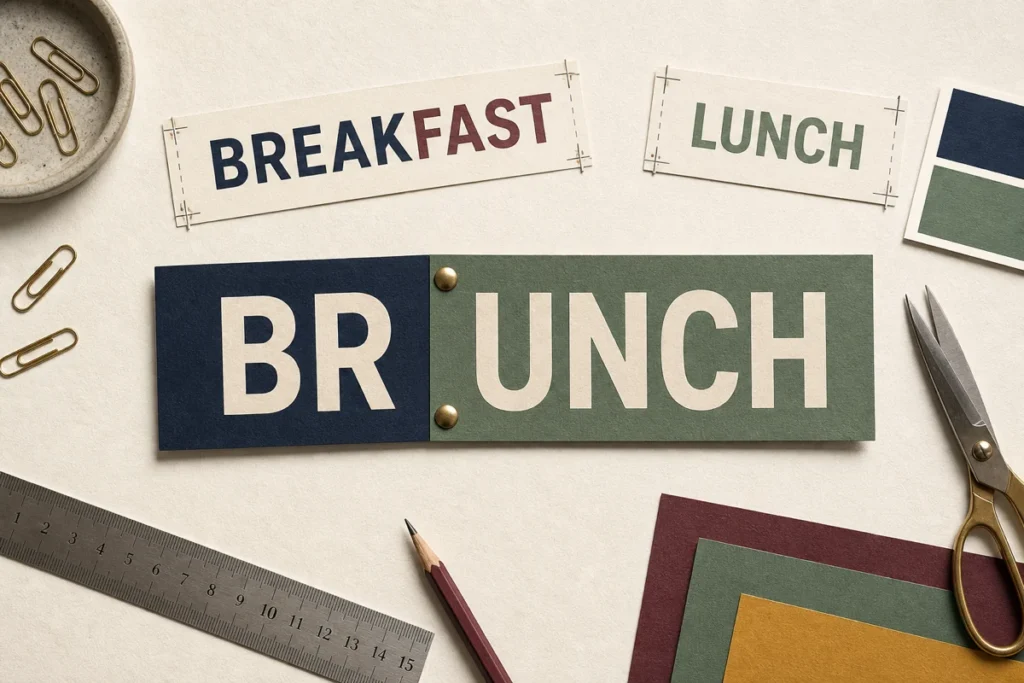
Language isn’t frozen in a dictionary – it’s alive, and we’re the ones constantly reinventing it. When the words we have don’t quite capture a concept, we often stitch them together to make new ones. For example, no word for the meal between breakfast and lunch? No worries, have some brunch. This is a portmanteau or Frankenword: sometimes confusing, often humorous, always creative.
What makes a good Frankenword?
Good Frankenwords are easy for people to understand. Think email (electronic + mail) and situationship (situation + relationship). They also need to feel natural to the language, for example bromance (brother + romance) and fauxhawk (faux + mohawk). And for a Frankenword to really stick, it’s often amusing, such as hangry (hungry + angry) and frenemy (friend + enemy).
What happens when good words go bad?
People are much better at making Frankenwords than they used to be. For example, collabition (collaboration + competition). You might not recognise this awkward Frankenword because it hasn’t stuck around.
Other times it’s ambiguity rather than awkwardness that spells doom for a new Frankenword, such as autobesity. Does this mean to make yourself fat? No, it’s the trend of cars getting bigger and heavier.
And sometimes Frankenwords run the risk of being harmful and misleading. For example, Megxit. This Frankenword reduces the complex situation of Meghan (and Harry) distancing themselves from the British royal family and blames Meghan for the decision in the process.
Where to next?
As far as plain language is concerned, if you’re going to use a Frankenword, think carefully about your audience first. Will they understand it or be able to easily guess its meaning? Will including a Frankenword slow your reader down or distract them from your message? If the answer is yes, we recommend leaving the Frankenwords in your laboratory and choosing a short and simple alternative instead.
Want more Frankenwords? For almost 15 years, we published a list of the worst examples of Frankenwords, buzzwords, jargon, doublespeak and corporate spin. Our aim was to improve the quality of public language and encourage everyone to adopt a plainer style of writing. Find the lists on our blog under Worst Words.
Want more advice about clear communication? Contact us today about our plain language editing and training services.