When 5 lions escaped their exhibit last month, the zoo released a statement blaming an 'integrity issue' for the breach. This was just one example of spin that caught our eye in this year's round-up of the worst public language.
- Call 1300 691 885
Plain English training, editing and AI services since 2003
Training
More than 20 courses for government and corporate teams, run in person or online on the documents your people already write.
All training→ Next upMasterclass in ReviewingFor managers who sign off other people’s writing→
AI at work
Set the rules, lift the quality of what AI drafts, and build the judgement to tell a good draft from a plausible one.
All AI services→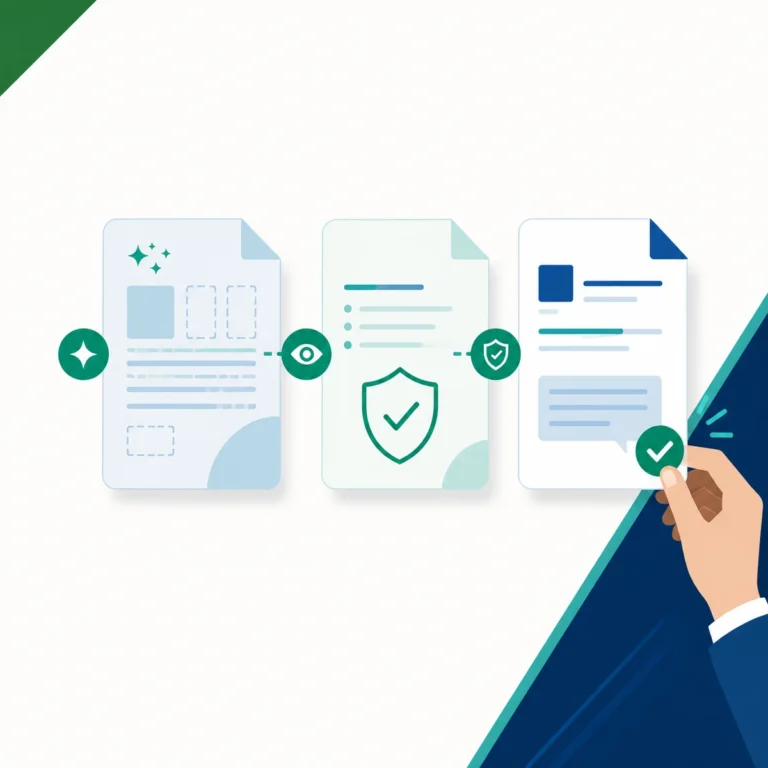 GovernancePolicy, review, trainingMost organisations end up doing all three→
Resources
Tools, guidance and events that help your teams hold the line on clarity when we are not in the room.
All resources→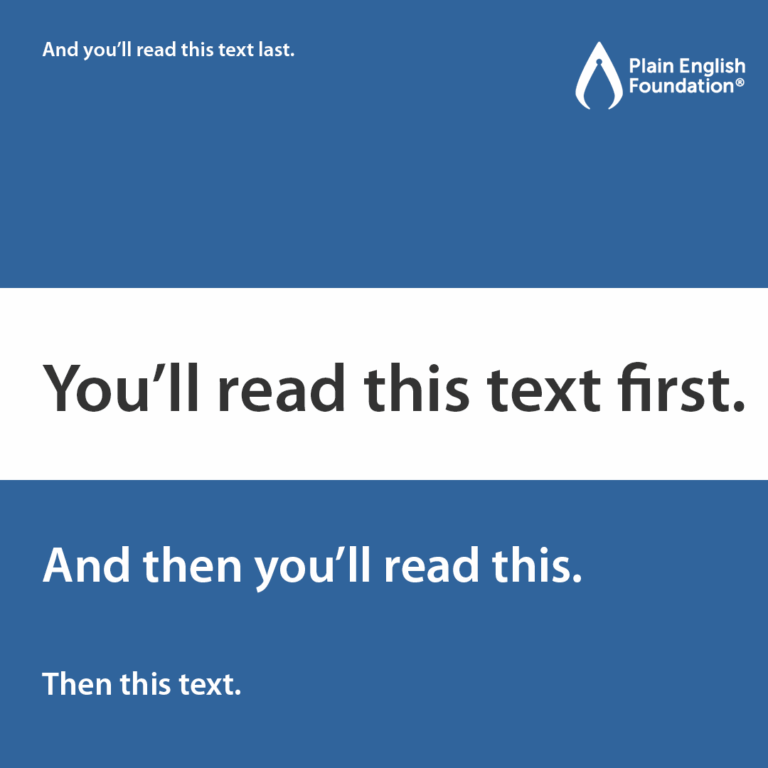 Free toolVisual hierarchyWhat your reader sees first, and why it matters→
About us
A specialist team of editors and trainers, on six government procurement panels, working across government, finance, health and energy.
About the foundation→ Our workSee the before and afterReal documents, measured against real readers→
When 5 lions escaped their exhibit last month, the zoo released a statement blaming an 'integrity issue' for the breach. This was just one example of spin that caught our eye in this year's round-up of the worst public language.
So you want to writing in plain English, but you're not sure where to start? One of the most effective things you can do is replace complex words and phrases with a simpler, shorter alternative.

Our expert trainers and editors share their top tips to help you communicate clearly in all your writing.
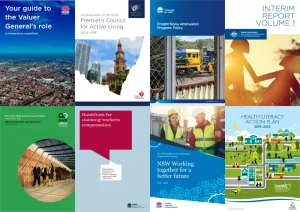
Our editors have brought their plain language skills to many fascinating and influential projects. Here we share links to a handful that are available online, so you can see how we have transformed content across a range of genres and sectors.

We're thrilled to hear that New Zealand passed the plain language bill today. One MP said the bill is about 'having language that everyone and anyone can understand.' We couldn't agree more.

We worked with MusicNSW to create a plain English summary of the Raising Their Voices report. It presents important new research into sexism and discrimination in Australia's music industry and makes the case for some big, bold changes!

2021 was another year dominated by COVID-19, and it generated a whole new list of words we didn't know we needed, including ‘centres for national resilience’.

The Financial Services Council commissioned us to overhaul the Life Insurance Code of Practice. We created a new plain English document with big improvements in readability, usability and accessibility.

2020 was the year of COVID-19, and it generated some less than welcome words. The South Australia Government eased some coronavirus restrictions and allowed people in bars to drink while standing up… But then they dubbed this ‘vertical consumption‘.
We've taken a look back at the annual Worst Words winners from 2010-2020 to select the Worst Words of the Decade, and there was a clear winner.

As the moves toward cleaner energy gained momentum in 2019, the US Department of Energy decided to ramp up the spin. It rebranded natural gas as ‘freedom gas' and trumpeted its efforts to help export ‘molecules of US freedom' to the world.

2018 was a particularly poor year for corporate doublespeak and spin. When our national public broadcaster used the phrase 'external career development opportunities' to discuss firing its staff, it joined a long list of institutions incapable of using simple English to describe something difficult.