


Skip to content

Plain English training, editing and AI services since 2003

§01 Insights

Insights

What we notice when we edit thousands of real documents

Short pieces on writing at work: what makes a document land, what makes readers give up, and what the research says. Filter by topic, or read the latest below.

  • 108articles you can read here
  • 13topics, from editing to government writing
  • 2003the year we started writing them

§02 All articles

Ampersands present challenges for most people, from time-poor or stressed readers to neurodivergent or multilingual ones. This small symbol pulls focus and slows reading. Accessibility experts recommend avoiding them, but are there exceptions to this rule?

Plain language is for everyone, especially lawyers and judges. This blog offers strategies for clear legal communication and explains why they are worth it.

Discover the weird and wonderful world of frankenwords - how we combine words to create new ones, what makes them stick, and why some are better left in the laboratory.

Discover how the ISO plain language standard for science writing helps make complex scientific information clearer, more accessible and easier to act on.

AI governance doesn’t slow innovation – it creates the guardrails that let organisations innovate faster, manage risk and keep humans accountable for the decisions that matter.

We surveyed 289 Australian professionals about generative AI at work. Almost 90% use it at least monthly, but their average confidence in its accuracy is just 45%.

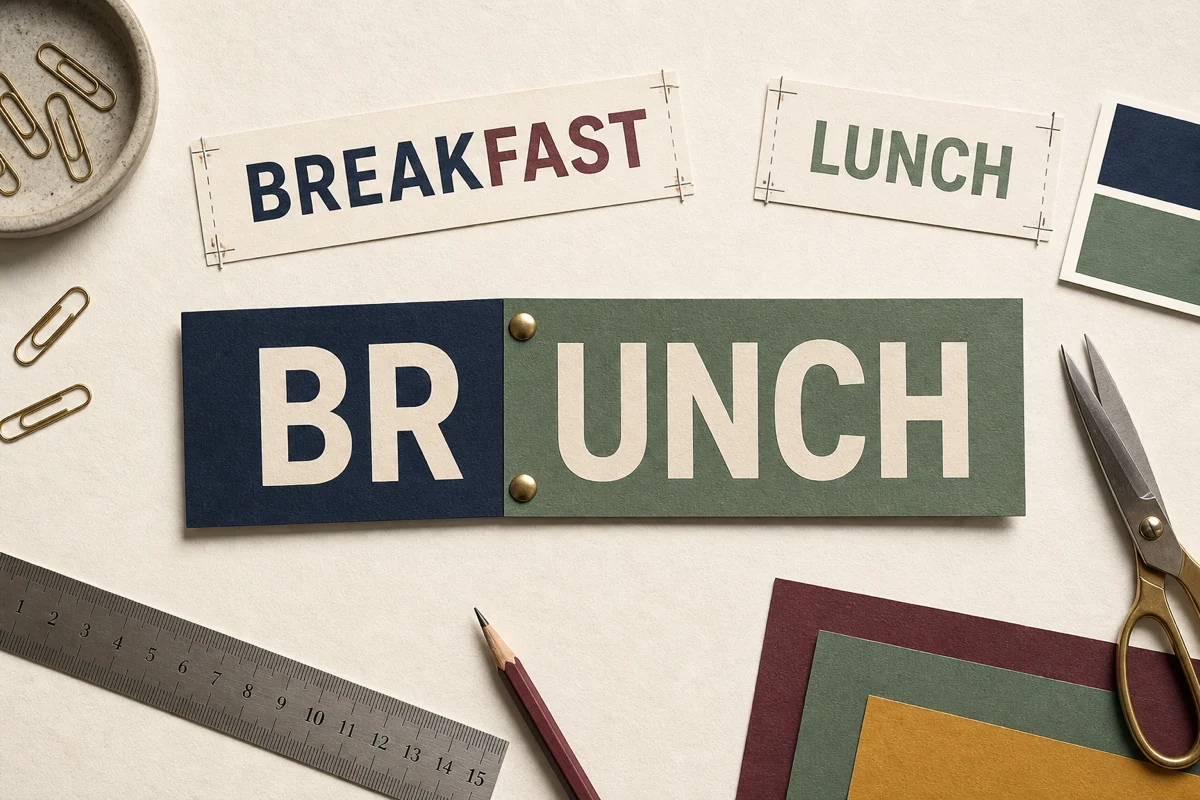
Language isn’t frozen in a dictionary. When the words we have don’t quite capture a concept, we stitch them together – brunch, frenemy, hangry. Here is what makes a Frankenword work, and what happens when good words go bad.

APRA's recent AI guidance makes it clear: artificial intelligence is now a governance, risk and resilience issue, not just a technology one. Here are five actions financial services organisations should take and how Plain English Foundation can help turn APRA's expectations into practical, plain English action.

We love lists – they’re an effective way to reduce cognitive load for your reader and get your message across quickly. You can even use them to break up long or complex sentences. Want our top tips for writing an effective list? Read on.

Have you ever opened an email and not been sure what it was about? You may have just read a thriller. Jargon had you getting out your enigma machine, cliffhangers kept you on the edge of your seat, red herrings threw you off the scent, plot twists created a convoluted tale.

Pardon our French

English grew from 2 roots. Anglo-Saxon gave us everyday words like start, help and letter/email. After 1066, Latinate French added words like commencement, assistance, and correspondence. Now we use words from both roots.

Using AI is a lot like hiring an enthusiastic intern. They’re quick and helpful but also alarmingly confident in their own ability. And the thing about over-eager interns is that if you let them, they start making decisions you should be making yourself.

Part of Lumify Group