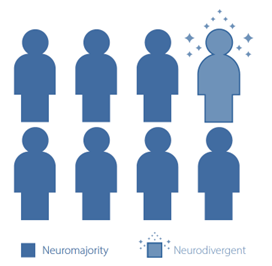
A sizeable share of your colleagues and clients think, process information and read in ways you may not expect. One in 8 Australians – about 12.5% of the population – is neurodivergent.
Being neurodivergent means your brain naturally differs in some way to that of the majority. The most common brain types (neurotypes) are:
ADHN (ADHD, but I swap out the ‘disorder’ for ‘neurotype’)
Autism
dyslexia
dyspraxia
dysgraphia
neuromajority
sensory processing differences
Tourette syndrome.
Now, not all neurodivergent people face reading difficulties, but many do. And when you write without considering how different brains process language, you risk excluding readers. And since most workplace communication relies on written text, that’s a serious issue. Not just for them but for you. If some people can’t act on your message, your communication isn’t working.
And that’s why you’re here, right? You want your writing to work for everyone, no matter how they process language.
Fantastic.
But know that writing better isn’t only about what you should start doing – it’s equally about what you should stop doing.
Lots of traditional writing practices force the reader to work really hard to extract the meaning from the text. This is no fun for the neuromajority. It’s even less fun for neurodivergent people who have reading difficulties.
Want practical, plain-language techniques for reducing cognitive load and removing barriers to understanding? Want clearer communication that works for more people? Our latest ebook, Write for Every Brain: Bring inclusivity to every page, is available now!